




How to Transition Your Pet to Healthier Food
- Posted on
- By Dr. Jill Tack, Board Certified Naturopathic Doctor
- Posted in pet nutrition, Raw Feeding Transition, Raw Food Michigan
- 0
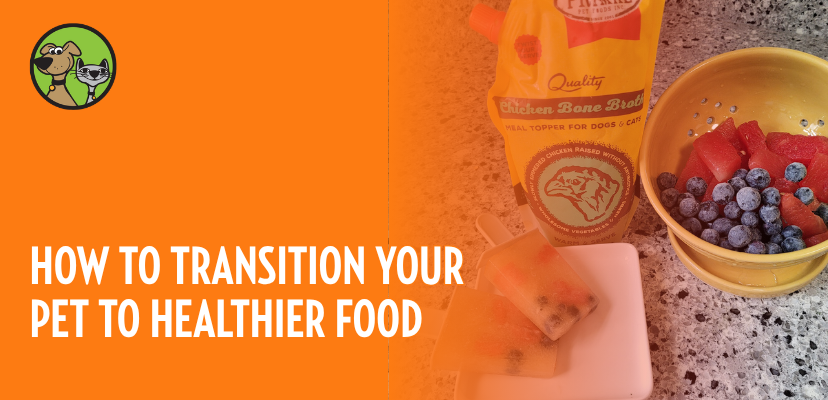
A step-by-step guide to transitioning pets to healthier diets.
Switching your pet’s food can feel intimidating. Many pet parents worry about doing it wrong, causing stomach upset, or wasting food if their pet refuses to eat. We hear it all the time.
The truth is, transitioning your pet doesn’t have to be stressful. It just needs to be done thoughtfully. At The Pet Beastro, we always remind pet parents that this is not an all-or-nothing process. Even small changes can make a meaningful difference.
What do we mean by “transitioning food”?
Transitioning means gradually introducing new food so your pet’s digestive system has time to adjust. This is especially important for pets who have been eating the same processed food for a long time.
A simple transition plan
A gentle transition often looks like:
- Start with 10–20% new food
- Slowly increase over 7–10 days
- Monitor stool consistency
- Add digestive support if needed
- Go slower for sensitive pets
There’s no rush. Slower is often better.
Signs your transition is going well
Pet parents often notice:
- Consistent, firm stools
- Good appetite
- Stable energy levels
- Reduced gas
- Improved coat appearance
- Increased excitement at mealtime
These are signs the body is adjusting well.
How nutrition supports a smooth transition
Adding support during transitions can make a big difference.
Helpful additions include:
- Raw goat milk
- Bone broth
- Probiotic-rich toppers
- Freeze-dried raw food
- Simple, high-quality proteins
These help the gut adapt more comfortably.
How our team helps you transition
We know this is where many pet parents feel unsure. That’s why we focus on making it simple and doable. We often help customers:
- Choose the right starting products
- Build a gradual transition plan
- Adjust based on their pet’s response
- Add supportive toppers
- Move at a pace that feels comfortable
You don’t have to figure it out alone.
Who does food transitioning help most?
Transition guidance is especially helpful for:
- Pets switching from kibble to fresh food
- Dogs and cats with sensitive stomachs
- Picky eaters
- First-time raw feeders
- Pet parents feeling overwhelmed
A slow, supported transition helps your pet adjust comfortably and sets the foundation for better long-term health.
FAQ
What if my pet gets diarrhea?
Slow the transition down and add digestive support.
Can I mix raw and kibble?
Yes, but introduce gradually.
How long should it take?
Typically 7–10 days, but some pets need longer.
What pet parents ask
“How do I know I’m doing it right?”
If your pet is eating well, has stable stools, and good energy, you’re on the right track.
How The Pet Beastro supports you
Starting something new can feel overwhelming, but it doesn’t have to be.
Stop by and let our team walk you through it, or explore our fresh food options online. We’ll help you build a plan that works for both you and your pet.
Comments
Be the first to comment...