As you may remember from last week’s post on the ancestral diet, dogs and cats evolved on an omnivorous diet of meat and plants. It wasn’t until the 1920’s and 30’s that commercially prepared pet food became available. Before then, the only pet food that was made exclusively for pets were dog biscuit treats. As you’ll see from the timeline below, commercially prepared pet food actually has a short history despite now being the norm for the contemporary pet’s diet.
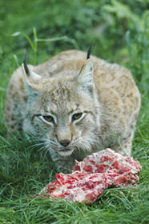
Before dogs and cats were domesticated, they would eat anything that they could find. However as omnivores, their diets generally consisted of different types of meat and plants. In the wild, dogs and cats would kill small animals like rodents, rabbits, and deer for food. They would also eat berries and fruit. Wild dogs and cats still sustain themselves on this diet. And, with growing concern about low quality processed pet food, many pet owners are looking to feed a similar, more wholesome diet.
A raw diet consists of meat, bones, vegetables, fruits and organs that are fed uncooked. Animals in the wold have dined on raw meats for thousands of years making it superior to processed foods. When feeding a raw diet you are also providing your pet essential nutriets as well as easily digestible vitamins, minerals and live enzymes in its bioavailable form.
Hydrostatic High Pressure (HPP) is a technology that uses pressurized water to pasteurize food. Essentially, the process squeezes out the food’s harmful bacteria, like Salmonella, without changing the food’s taste. HPP is an especially important process for raw dog food and treats because it maintains all of the food’s nutrients. Which is why we’re feeding them raw food in the first place, right?
Many of you have seen or heard the reports on the news about the "new" virus going around the Southeastern Michigan area. When I think of a virus, I never think of it as new. We’ve had viruses in our world for many decades. It’s just that our modern medicine sees it as an opportunity for new drugs and vaccines compared to treating it with herbs, homeopathics and other natural modalities that were used just a few hundred years ago before modern medicine filled our homes.