



Senior Pet Digestion: How Food Can Support Aging Dogs & Cats
- Posted on
- By Dr. Jill Tack, Board Certified Naturopathic Doctor
- Posted in Digestive Support for Pets, Fresh Feeding, Holistic Pet Nutrition, Michigan Pet Store, Pet Digestion, Senior Cat Nutrition, Senior Dog Nutrition, Senior Pets
- 0
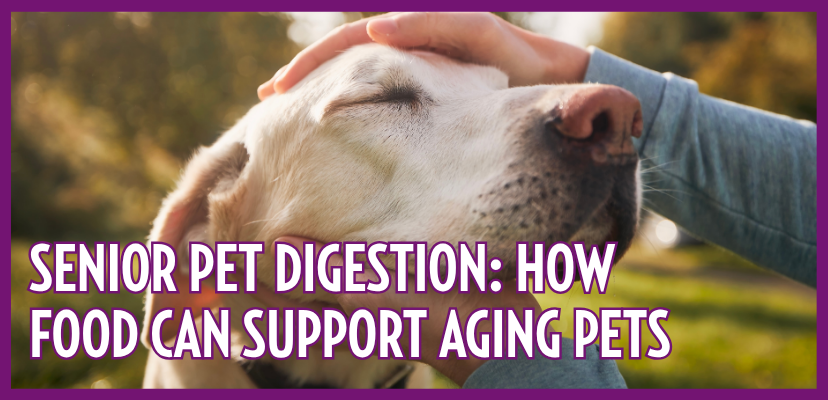
Aging can change digestion, appetite, hydration, and muscle maintenance. Learn how thoughtful nutrition can help your senior dog or cat thrive.
Watching a dog or cat grow older is such a gift. The gray whiskers, slower mornings, and extra-long naps are part of loving a pet through every stage of life. But aging can also bring changes inside the body that aren't always easy to see. Digestion, appetite, nutrient absorption, hydration, and muscle maintenance can all shift as pets enter their senior years. That means the food that worked beautifully five years ago may need a little adjustment today.
Signs your senior’s digestion may need extra support
Keep an eye on:
- Changes in stool consistency or frequency
- More gas or digestive discomfort
- Decreased appetite or new pickiness
- Unexplained weight loss or weight gain
- Loss of muscle around the shoulders, spine, or hips
- Changes in thirst or hydration
- Difficulty maintaining their normal body condition
A single bad tummy day does not necessarily mean something is wrong. Persistent or sudden changes deserve a conversation with your veterinarian.
Focus on a complete and balanced diet that provides quality animal protein, appropriate calories, good moisture, and ingredients your individual pet tolerates well. Fresh, raw, gently cooked, canned, or other moisture-rich formats may be useful depending on the pet.
There is no universal “senior food” that is perfect for every older dog or cat. Cornell notes that senior dogs may need very different nutritional approaches depending on muscle loss, arthritis, obesity, activity level, and underlying health conditions.
Why digestion can change as pets age
Aging is not a disease, but the body does change.
AAHA reports that some senior cats become less efficient at digesting protein and fat, which can contribute to weight and muscle loss. Senior pets can also experience changes in protein metabolism and lean body mass. Interestingly, AAHA notes that senior cats may sometimes require more protein rather than less to help maintain muscle.
This is one reason we do not love an automatic “they’re old, switch them to senior food” approach.
Food-first ways to support senior digestion
- Bring more moisture into the bowl
Hydration becomes especially important as pets age.
AAHA cites research showing that adding moisture to food improved nutrient digestibility in senior dogs. Moisture-rich foods can also be particularly helpful for cats, who are naturally low-volume drinkers.
Fresh food, raw food, gently cooked meals, canned food, bone broth, goat milk, or appropriate hydrating toppers can all make a bowl more moisture-rich.
- Protect muscle with quality protein
Senior pets still need protein.
In fact, reducing protein automatically simply because a pet is older can be counterproductive for an otherwise healthy senior. Muscle loss is common with aging, which makes quality protein especially important.
Pets with kidney disease or other diagnosed medical conditions may need individualized nutritional adjustments, so always work with your veterinarian in those situations.
- Keep the diet highly palatable
Older pets sometimes become less enthusiastic about food.
Adding moisture, aroma, or a fresh topper may help make mealtime exciting again. Smaller meals offered more frequently can also work well for some seniors.
- Make changes gradually
Senior digestive systems may appreciate a little patience.
Rather than changing everything overnight:
- Introduce one new food at a time
- Start with a small amount
- Watch stool quality
- Monitor appetite
- Pay attention to energy and comfort
Food changes should make your senior feel better, not turn dinner into digestive drama.
- Consider targeted digestive support
Depending on the individual pet, probiotics, digestive enzymes, fermented foods, or other digestive supplements may be worth discussing. AAHA notes that enzymes or probiotics may be useful for certain senior patients depending on the individual situation.
Our team can help you understand the different options without turning your pantry into a supplement aisle.
What pet parents ask
Does my senior automatically need senior pet food?
No. Age alone does not tell you what diet your pet needs. Body condition, muscle mass, activity, digestion, medical history, and appetite matter more.
Should senior pets eat less protein?
Not necessarily. Healthy senior pets often need sufficient high-quality protein to maintain muscle. Certain medical conditions may require different recommendations.
Can I add fresh food without completely changing diets?
Absolutely. Starting small can make fresh feeding much more approachable.
Read next: The 10 Percent Fresh Food Challenge
FAQ
Why is my senior pet suddenly picky?
Changes in smell, dental comfort, digestion, illness, or other age-related factors can affect appetite. Persistent appetite changes should be evaluated by your veterinarian.
Is wet food better for senior pets?
There is no universally “best” format, but moisture-rich food can be helpful for many seniors. The entire nutritional profile matters more than whether the food comes from a can, freezer, or pouch.
Are probiotics good for senior dogs and cats?
They may be appropriate for some pets, particularly when digestive support is needed. Choose products formulated for pets and ask for guidance if your senior has medical conditions.
When should digestive changes concern me?
Contact your veterinarian about persistent vomiting or diarrhea, significant appetite changes, weight loss, abdominal discomfort, black or bloody stools, or major changes in drinking.
Loving them well through every life stage
Your senior does not need a completely different life just because there are a few more candles on the birthday cake.
Sometimes they simply need a bowl that evolves with them.
If you are in Madison Heights or Warren, bring us your senior pet’s current food label and tell us what you have been noticing. Our team can help you explore fresh foods, digestive support, toppers, and realistic ways to upgrade the bowl without making mealtime overwhelming.
Comments
Be the first to comment...