




Why Fall Allergies Flare Up in Dogs & Cats
- Posted on
- By Dr. Jill Tack, Board Certified Naturopathic Doctor
- Posted in Cat Allergies, Dog Allergies, Fall Pet Allergies, Immune Pet Support, Itchy Cat, Itchy Dog, Michigan Pet Care, pet nutrition, Seasonal Pet Health
- 0
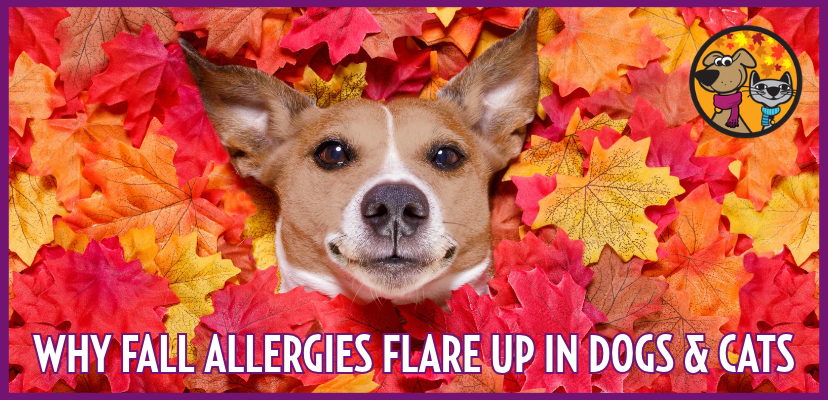
Learn why seasonal allergies can continue into fall, what symptoms pet parents may notice, and how nutrition can support whole-body wellness.
Fall means cooler walks, crunchy leaves, and cozy evenings. Unfortunately, for some pets, it also means itchy paws, irritated skin, watery eyes, or constant licking.
Seasonal allergies happen when the immune system reacts to substances in the environment, such as pollen or mold. While spring gets most of the allergy attention, fall can bring its own collection of environmental triggers, which means your pet may need a little extra support as the seasons change.
What fall allergies in pets really are
Environmental allergies occur when a pet develops an allergic response to something in their surroundings.
Depending on the pet and environment, seasonal triggers may include:
- Pollen
- Weeds and grasses
- Mold spores
- Dust
- Other environmental allergens
And pets don’t always show allergies the way humans do.
Instead of only sneezing, you may notice skin problems.
For a deeper look at seasonal triggers, read our guide to asthma and seasonal allergies in cats and dogs.
Common signs pet parents notice
Keep an eye out for:
- Paw licking or chewing
- Scratching
- Red or irritated skin
- Recurring ear irritation
- Watery eyes
- Sneezing
- Rubbing the face
- Changes in skin or coat
These symptoms can have many causes, so recurring or severe symptoms deserve a conversation with your veterinarian rather than assuming allergies are responsible.
Why we’re also looking at the bowl
An environmental allergy doesn’t necessarily mean something in the food caused it.
But nutrition can still matter.
Skin, gut health, inflammation, and immune function are connected pieces of your pet’s overall wellness. Supporting the body with balanced, species-appropriate nutrition may help provide a stronger nutritional foundation during allergy season.
At The Pet Beastro, that often means looking at the whole bowl rather than chasing one symptom at a time.
We may look at:
- Protein sources
- Ingredient variety
- Highly processed treats and extras
- Omega-3 intake
- Fresh-food intake
- Digestive health
- Overall dietary balance
If itching is one of your biggest concerns, our guide to the best fresh foods for itchy dogs and cats is another helpful place to start.
You can also explore anti-inflammatory foods for dogs and cats to learn more about supporting the body from the inside out.
Simple fall allergy support at home
Along with discussing persistent symptoms with your veterinarian, there are practical things you can do at home.
Try:
- Wiping paws after outdoor adventures
- Washing bedding regularly
- Keeping skin and coat clean
- Supporting hydration
- Feeding a balanced, nutrient-dense diet
- Including appropriate omega-3-rich foods
- Keeping track of when symptoms flare
A simple symptom journal can be surprisingly helpful.
Write down what your pet ate, where you walked, the weather, and when itching became better or worse. Patterns can sometimes become easier to spot.
What pet parents ask
Why is my dog suddenly itching in the fall?
Seasonal allergens are one possibility, but itching can have many causes, including parasites, infections, food reactions, and other skin conditions. Persistent itching should be properly evaluated.
Does itchy skin automatically mean a food allergy?
No. Environmental and food-related reactions can produce similar symptoms, which is one reason we don’t recommend randomly eliminating ingredients without looking at the bigger picture.
FAQ
Can cats have seasonal allergies?
Yes. Cats can also react to environmental allergens, although their symptoms may look different from a dog’s.
What should I feed an itchy dog?
There is no universal “itchy dog diet.” A simple, balanced diet using appropriate proteins and ingredients can make it easier to identify dietary triggers when food is suspected.
Help your pet feel comfortable from the inside out
When your pet can’t stop scratching, you want answers. Our team understands how frustrating that can feel. Rather than grabbing five random products and hoping one works, come talk with us.
Bring your pet’s current food, treats, supplements, and a little history about what you’ve noticed. We can help you look at the nutritional side of the picture and identify thoughtful questions to discuss with your veterinarian.
Visit The Pet Beastro in Madison Heights or Warren and let us help you take some of the guesswork out of the bowl.
Comments
Be the first to comment...